
How to Set a Purchase Budget Before Shopping
Build a purchase budget from take-home income, real expenses, savings and cash reserves before a tempting price or payment sets the limit.
Learn how to set a safe buying limit before comparing productsFifty practical, source-backed articles that help you set a limit, compare financing, uncover ownership costs and protect the cash you need after buying.
Each pathway moves from an answer to a worked comparison, warning signs, a calculator and a related buying guide. Start with the closest decision instead of reading in order.
New to the subject? Build a limit with the purchase affordability framework. If you are comparing a financed offer, use the loan cost comparison calculator alongside the relevant article.
Set a personal limit, protect cash and test whether a purchase fits real life.
Build a purchase budget from take-home income, real expenses, savings and cash reserves before a tempting price or payment sets the limit.
Learn how to set a safe buying limit before comparing products
Compare a manageable monthly payment with the full amount paid, fees, term length and ownership costs so a lower payment does not hide a worse deal.
Understand why a low monthly payment can cost more overall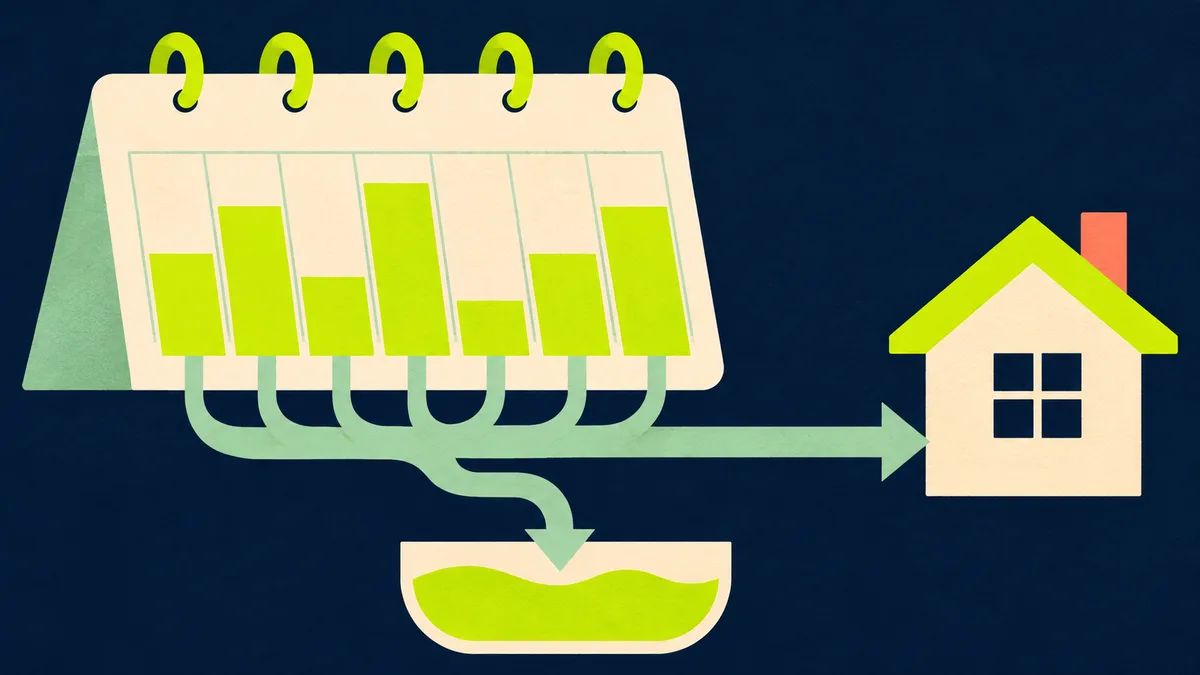
Use a conservative income floor, cash-flow calendar and separate reserve to test a purchase when freelance, seasonal or commission income changes.
Set an affordability limit when monthly earnings are uneven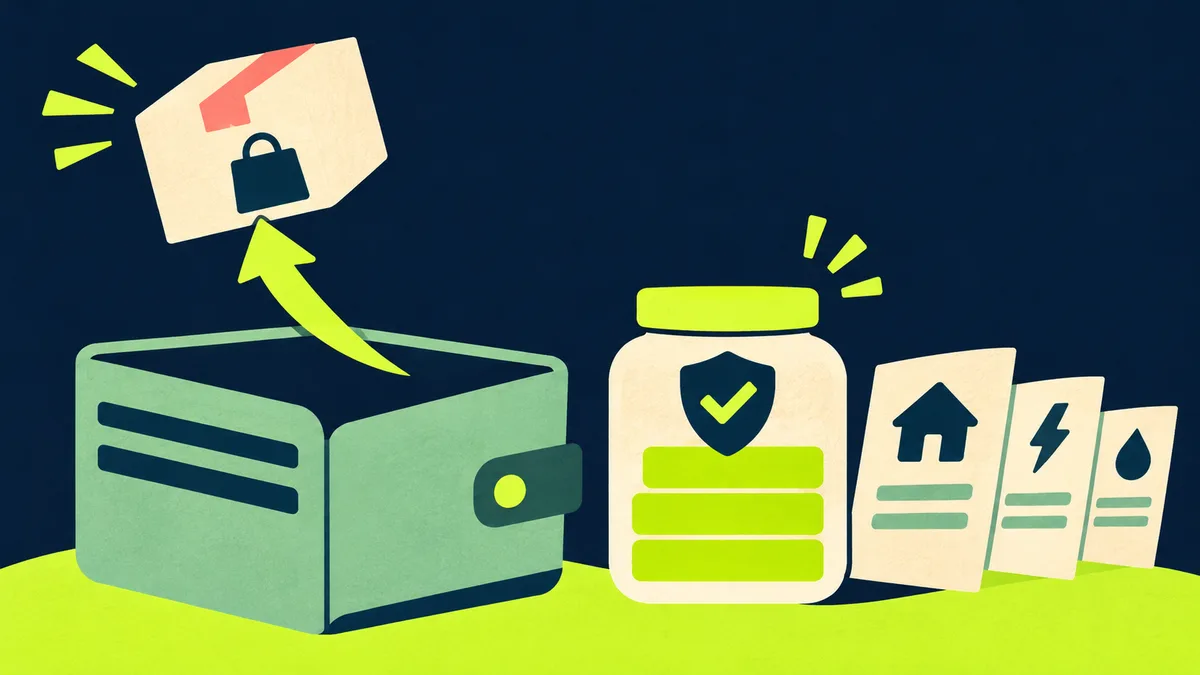
Decide how much cash must remain after a purchase by listing near-term bills, realistic emergencies, income risks and costs the new item may create.
Choose a safe cash balance to keep after paying for a purchase
Compare the payment and interest saved by a bigger down payment with the liquidity and protection provided by keeping more cash available.
Decide whether to put more cash down or preserve savings
Treat a lender preapproval as a financing screen, then set a separate personal limit from take-home income, spending, savings and risk.
Understand why the amount a lender may offer can exceed a comfortable budget
Test a major purchase against lower income, higher essentials, an early repair and a poor resale outcome before treating the base case as affordable.
Learn how to test whether a major purchase survives realistic setbacks
Use clear decision triggers to tell whether waiting can improve price, financing, cash reserves or certainty before a major purchase.
Decide whether to buy now or wait for a stronger financial position
Connect a purchase price to the time, upkeep, storage, insurance and lost flexibility it creates so affordability reflects daily life.
Understand non-price costs that can make a purchase hard to sustainCompare APR, fees, terms and repayment risk before accepting credit.
Use the interest rate to understand periodic interest and APR to compare broader borrowing cost, while checking fees and loan structure directly.
Compare APR with interest rate when evaluating a loan
See how a longer loan term can lower each payment while extending the commitment and increasing total interest or finance charges.
Understand the cost tradeoff between shorter and longer loans
Calculate net loan proceeds when an origination fee is deducted, financed or paid separately, then compare payments against usable cash.
Calculate how origination fees affect loan proceeds and cost
Compare a credit card with a personal loan using payoff time, APR, fees, payment flexibility and the risk of adding new charges.
Choose between revolving credit and a fixed personal loan
Understand why minimum payments can extend payoff, increase interest and change as the balance moves, then build a fixed repayment target.
Learn how minimum-only repayment affects payoff time and cost
Turn a deferred-interest promotion into a payoff schedule with a safety margin so the balance reaches zero before retroactive interest can apply.
Create a safe payoff plan for a deferred-interest purchase
Map every buy now, pay later due date and payment together so several small plans do not create a hidden cash-flow spike.
Understand and prevent overlapping buy now, pay later commitments
Treat a future balloon payment as a present savings obligation and test repayment, refinance and sale outcomes before signing.
Check whether a balloon-payment loan is affordable through savings, sale or refinancing scenarios
Normalize two loan offers by amount received, payment schedule, APR, fees, total repayment and early-exit terms before choosing.
Compare two written loan offers accurately
Compare interest saved by early loan payoff with the cash reserve, other debts and near-term obligations that the lump sum would displace.
Decide whether using cash to repay a loan early is affordableLook beyond the car payment to insurance, upkeep, fuel and value loss.
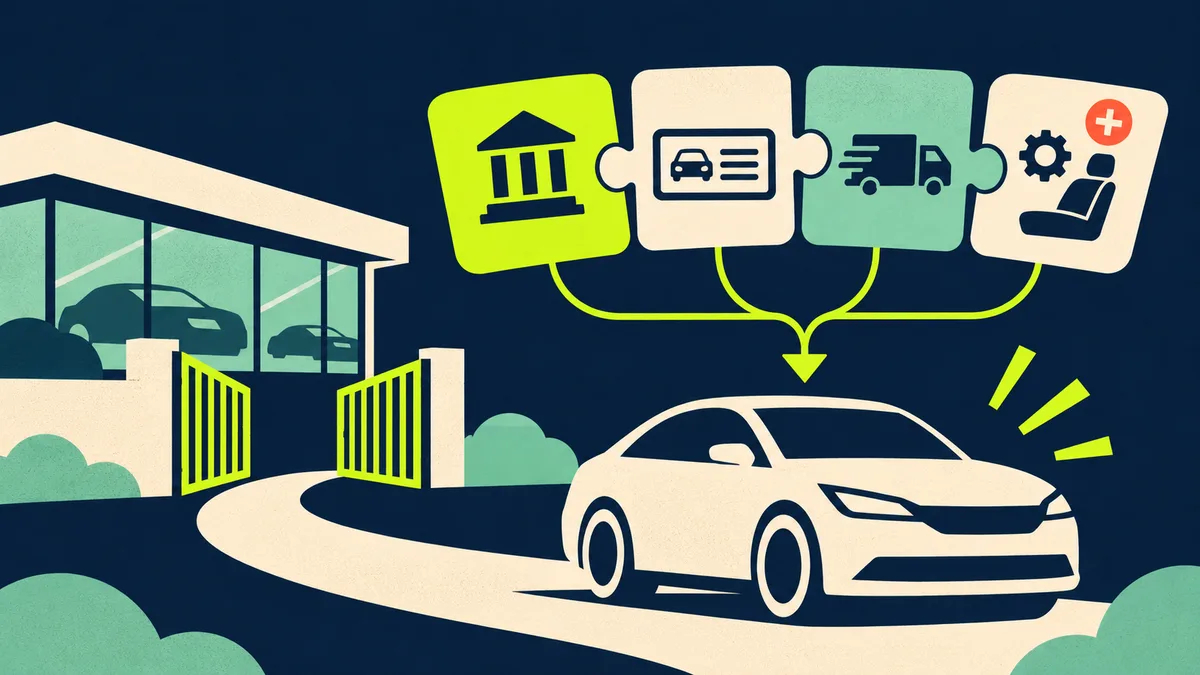
Build an out-the-door car price from the vehicle, taxes, registration, dealer charges and chosen add-ons before discussing financing.
Learn how to evaluate out-the-door car price before making the decision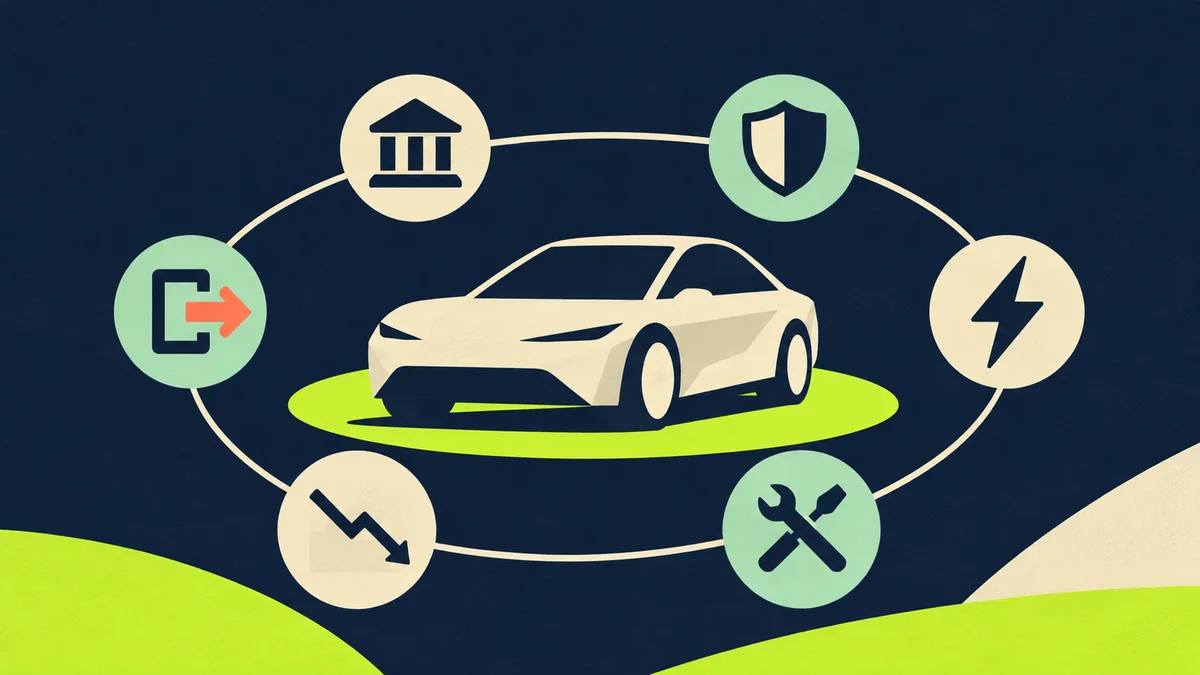
Add financing, insurance, fuel, maintenance, repairs, registration and resale value to see what a car costs across the years you keep it.
Learn how to evaluate total car ownership cost before making the decision
Compare leasing and buying over the same years using upfront cash, payments, mileage, maintenance, equity and end-of-term choices.
Learn how to evaluate car lease versus buy before making the decision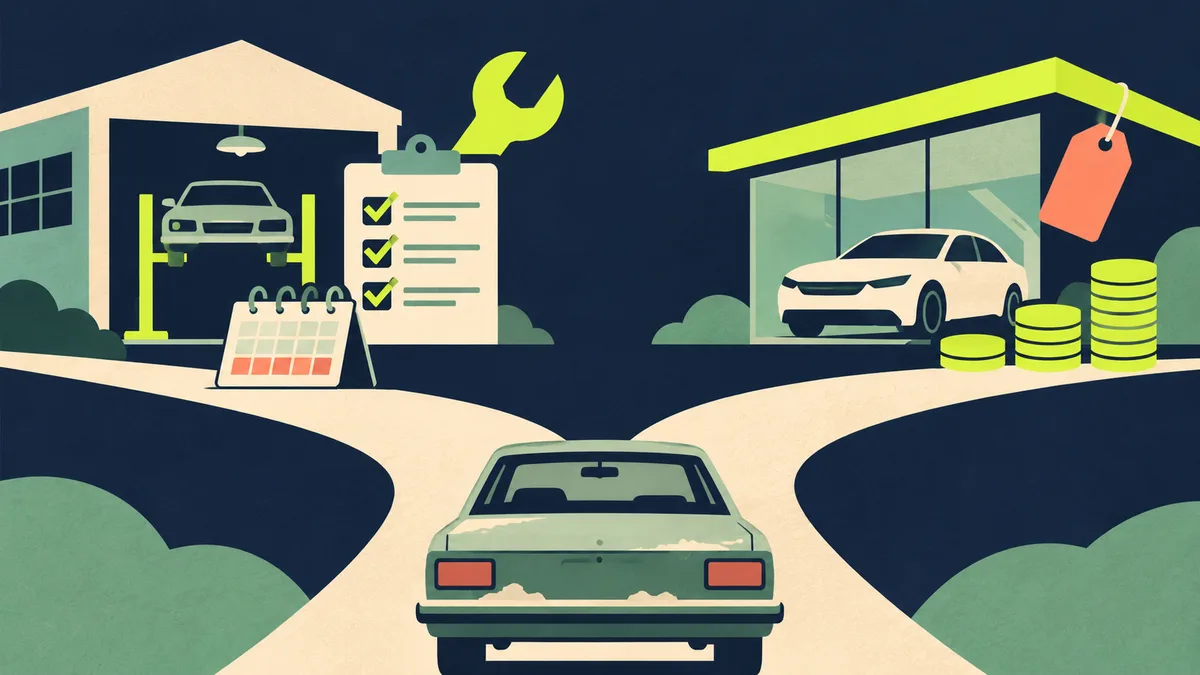
Compare the repair, expected remaining life and future upkeep of an older car with the full purchase and ownership cost of a replacement.
Learn how to evaluate repair or replace a car before making the decision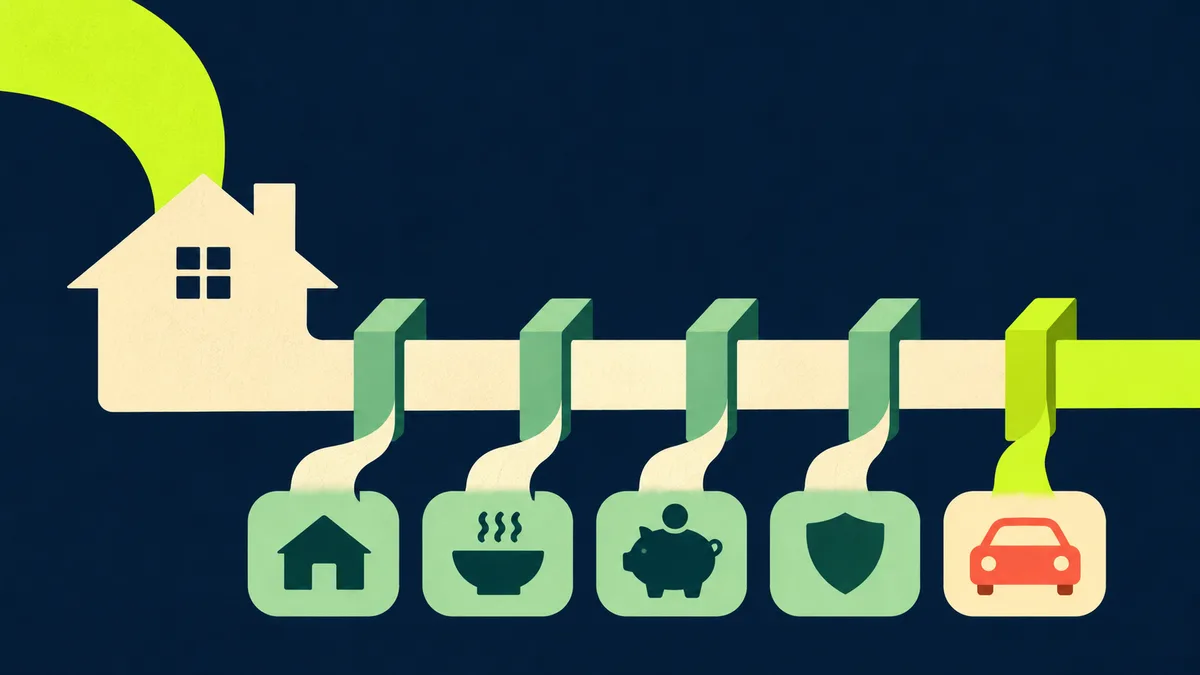
Set a car payment only after insurance, fuel, maintenance, registration, parking and existing transport costs are included.
Learn how to evaluate affordable car payment before making the decision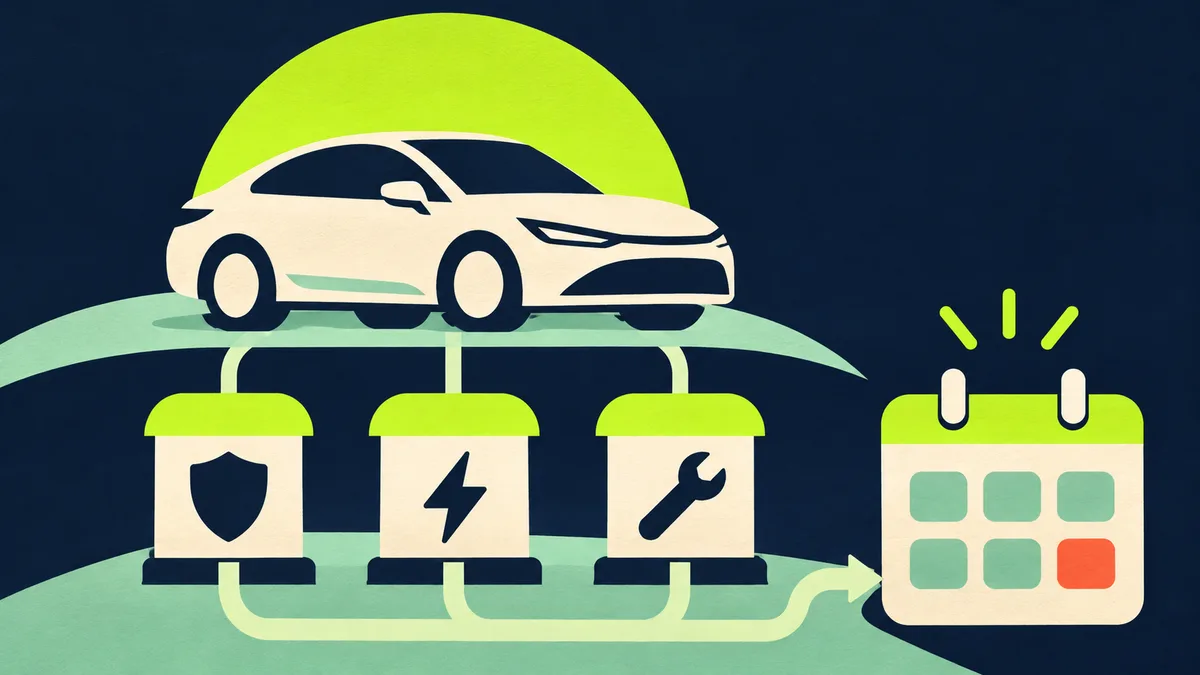
Turn irregular vehicle costs into a monthly reserve using actual quotes, expected driving, service schedules and a repair range.
Learn how to evaluate non-loan car costs before making the decision
Check total interest, negative-equity risk, repair overlap and early-exit cost before extending an auto loan to lower the monthly payment.
Learn how to evaluate long auto loan risk before making the decision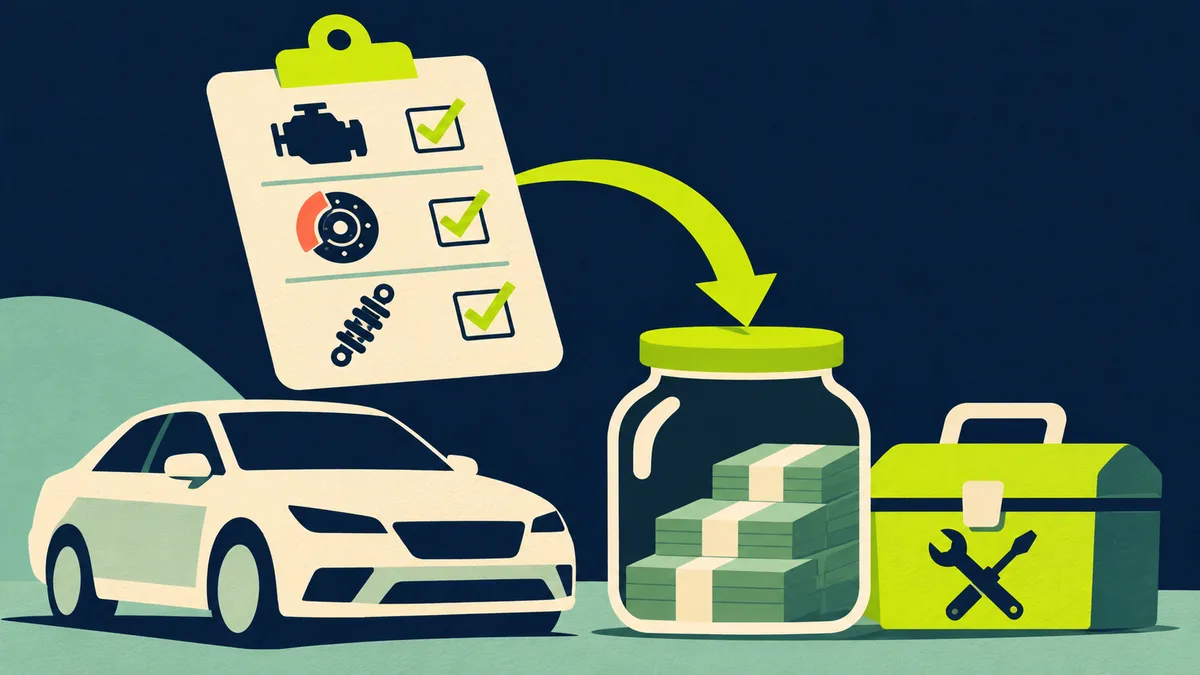
Set a used-car repair reserve from inspection findings, maintenance records, tire age, known service intervals and insurance deductibles.
Learn how to evaluate used car repair reserve before making the decisionPlan for cash to close, the full monthly housing cost and ownership reserves.

Build a complete home payment from principal, interest, taxes, insurance, association charges, maintenance and costs outside escrow.
Learn how to evaluate total home payment before making the decision
Separate down payment, closing costs, prepaids and cash to close from the reserve that must remain for moving, repairs and emergencies.
Learn how to evaluate cash left after closing before making the decision
Translate a mortgage preapproval into a personal home budget that includes full payment, maintenance, cash reserves and household priorities.
Learn how to evaluate mortgage preapproval versus budget before making the decision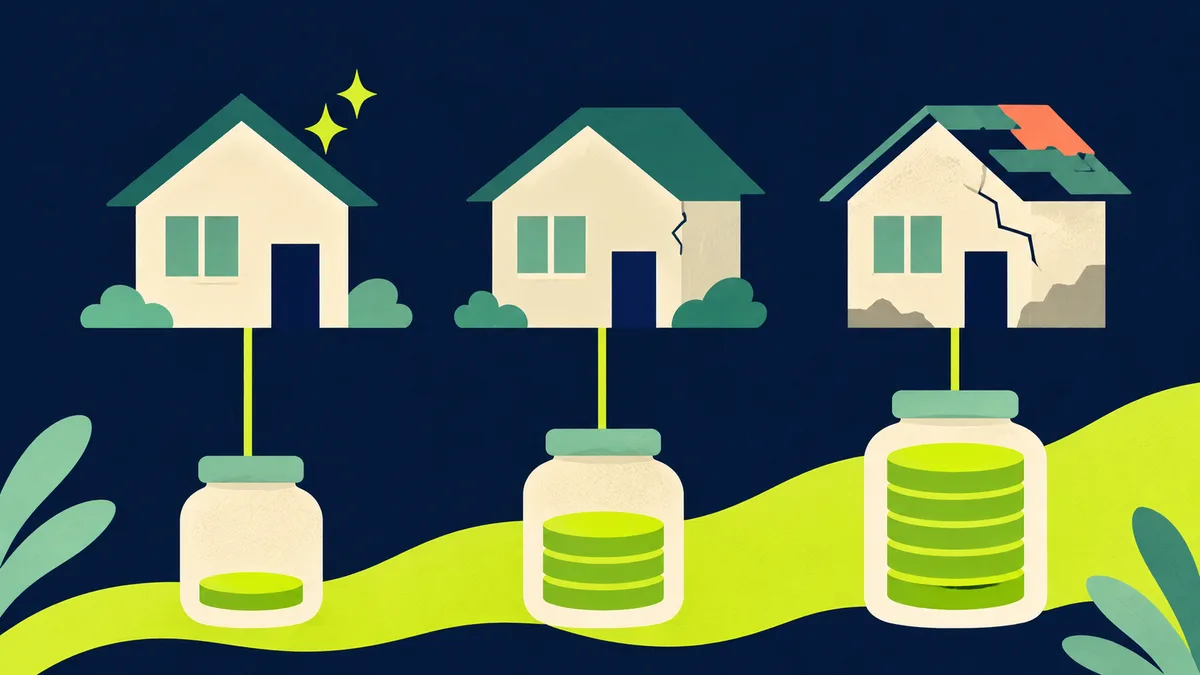
Build a home maintenance reserve from age, inspection findings, major systems, climate exposure and planned work instead of one generic rule.
Learn how to evaluate home maintenance reserve before making the decision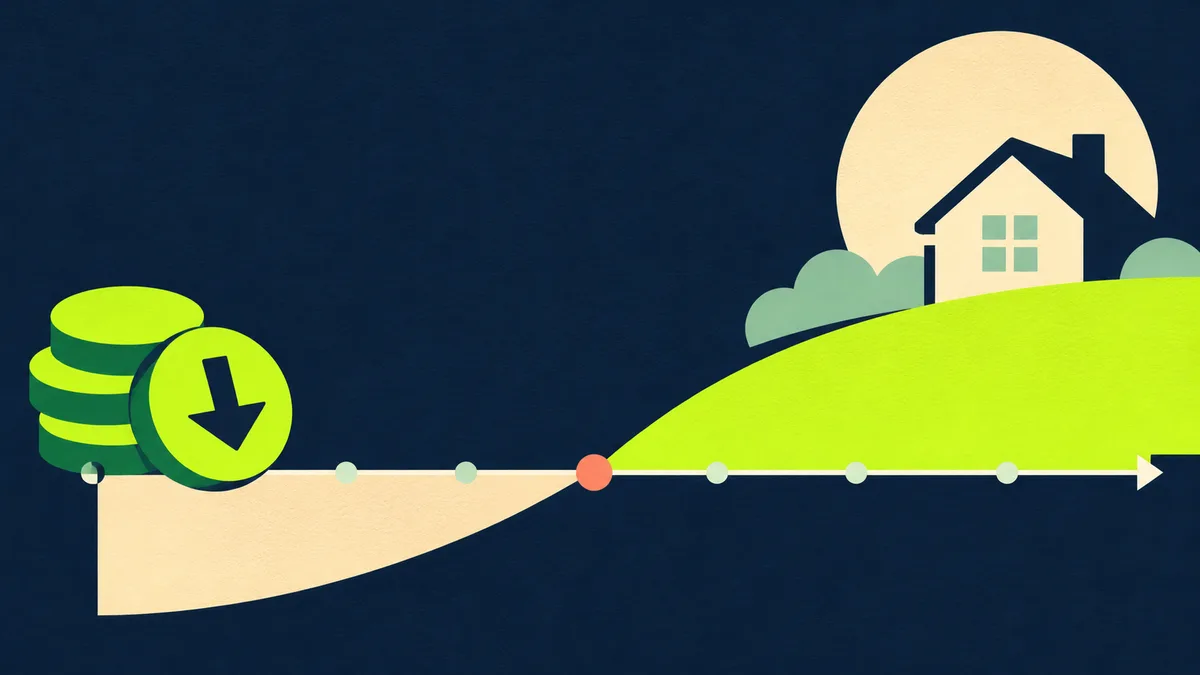
Compare upfront mortgage points with the monthly payment reduction and expected time in the loan to find a simple break-even period.
Learn how to evaluate mortgage points break-even before making the decision
Compare mortgage savings and pricing thresholds with the cash needed for closing, move-in work, maintenance and income disruption.
Learn how to evaluate home down payment tradeoff before making the decision
Stress-test a home payment for property tax, insurance and escrow changes so the first-year estimate does not become a permanent assumption.
Learn how to evaluate changing homeownership costs before making the decision
Test a home payment against lower income, higher taxes and insurance, urgent maintenance and overlapping household costs.
Learn how to evaluate home payment stress test before making the decisionCompare buying, renting, repairing, replacing and subscribing on equal terms.

Add financing, accessories, service, protection, repairs, resale and replacement timing to compare the true cost of a phone or laptop.
Learn how to evaluate device ownership cost before making the decision
Estimate realistic uses, complete ownership cost and resale value to compare products whose value depends on how often they are used.
Learn how to evaluate cost per use before making the decision
List every recurring charge, annualize it, identify overlap and test price increases so subscriptions compete visibly with larger goals.
Learn how to evaluate subscription creep before making the decision
Compare annual and monthly subscription plans using break-even use, cancellation flexibility, price changes and the cash cost of paying upfront.
Learn how to evaluate annual versus monthly subscription before making the decision
Compare repair cost, remaining life, energy use, downtime and replacement setup before deciding what to do with a broken appliance.
Learn how to evaluate appliance repair versus replace before making the decision
Compare an extended warranty or service contract with existing coverage, exclusions, deductibles, claim limits and a self-funded repair reserve.
Learn how to evaluate extended warranty value before making the decision
Use a conservative resale range, selling costs, condition and remaining loan balance to estimate net value at the end of ownership.
Learn how to evaluate resale value before making the decision
Compare rental charges with purchase, storage, maintenance, time, resale and realistic use to find the break-even point for occasional needs.
Learn how to evaluate rent versus buy before making the decisionCheck written offers, add-ons and promotional terms before committing.
Check the promotional period, regular rate, required payment, deferred interest, fees and payoff deadline before using retail financing.
Learn how to evaluate promotional financing before making the decision
Match the product, price, fees, financing, delivery, return terms and verbal promises in one written offer before money changes hands.
Learn how to evaluate written purchase offer before making the decision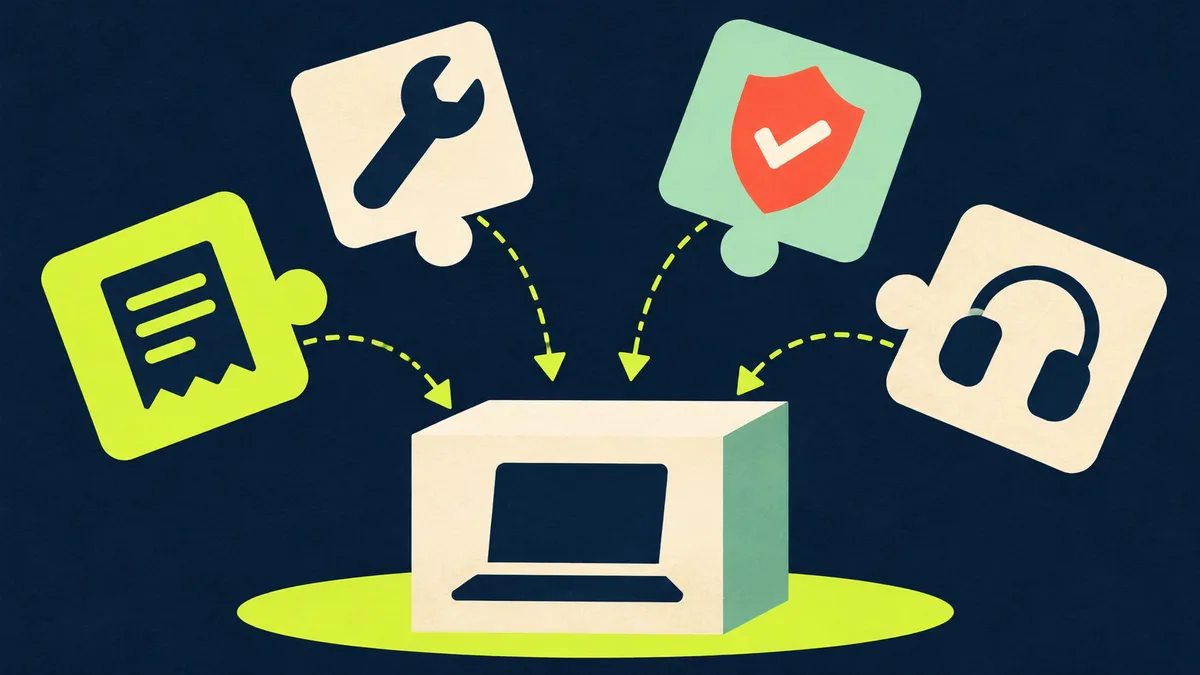
Separate mandatory charges from optional add-ons, then calculate the upfront and financed cost of every item before accepting a package.
Learn how to evaluate purchase fees and add-ons before making the decision
Use a short purchase pause to verify the full price, compare alternatives, check cash left and separate genuine deadlines from sales pressure.
Learn how to evaluate major purchase pause before making the decision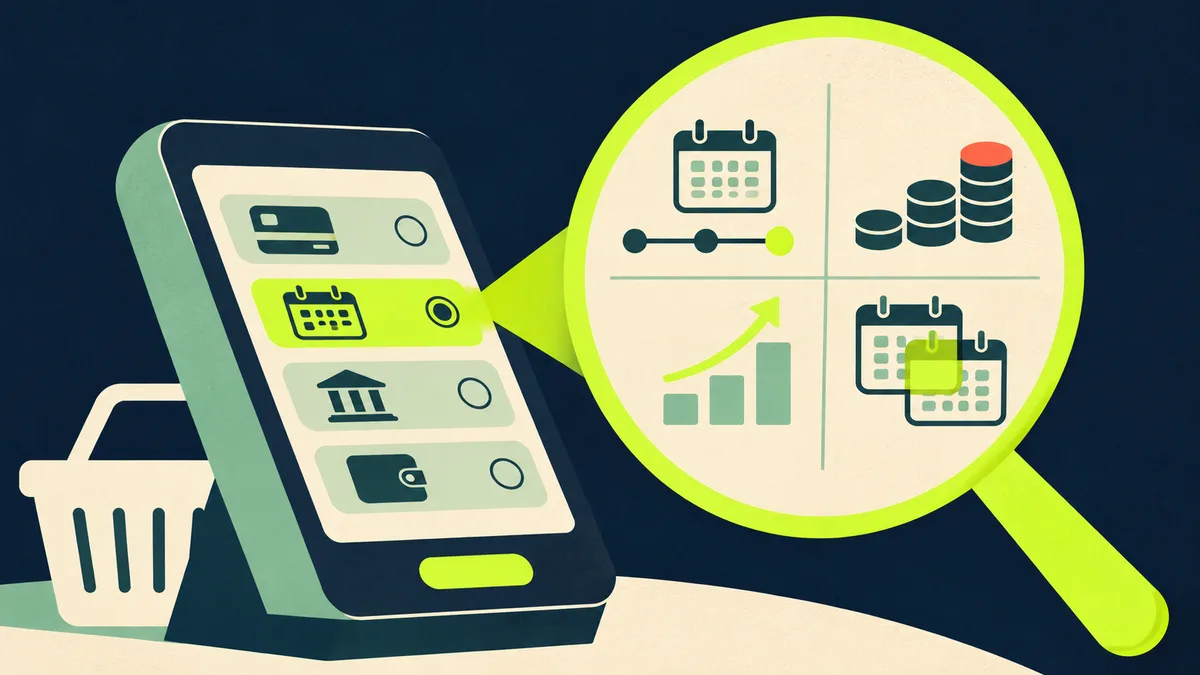
Ask about APR, fees, credit checks, payment dates, late terms, returns and total repayment before choosing checkout financing.
Learn how to evaluate checkout financing before making the decision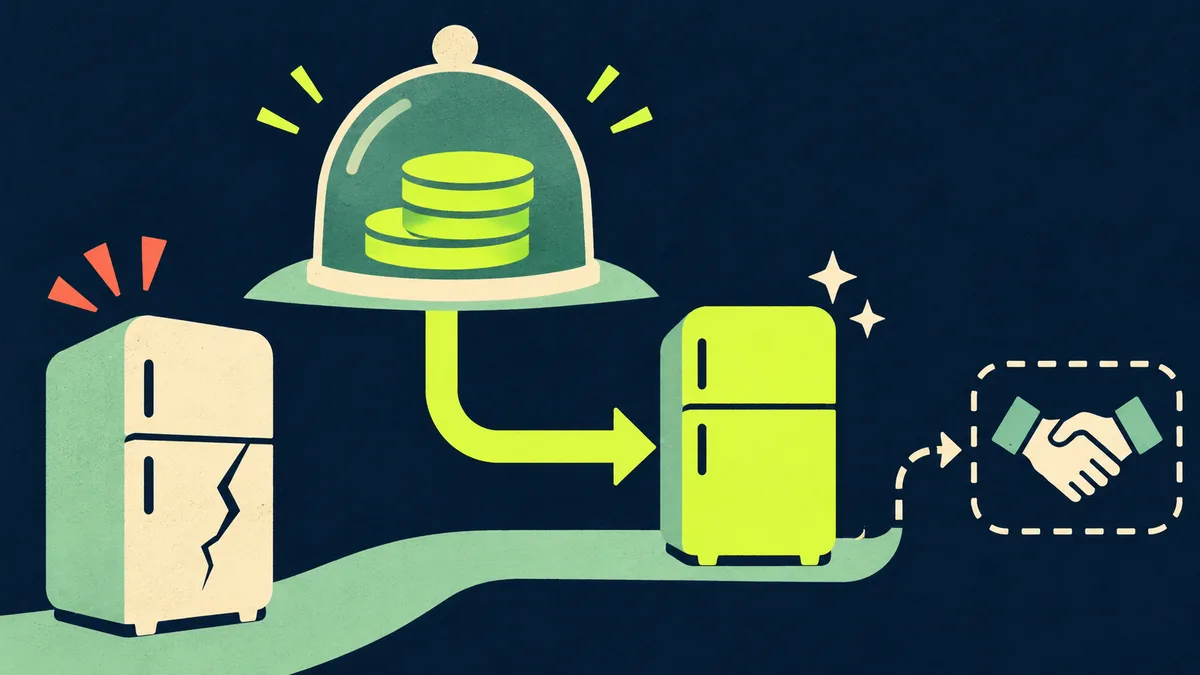
Separate the urgent need from optional upgrades, compare safe alternatives and protect essential cash when a replacement cannot wait.
Learn how to evaluate emergency purchase affordability before making the decision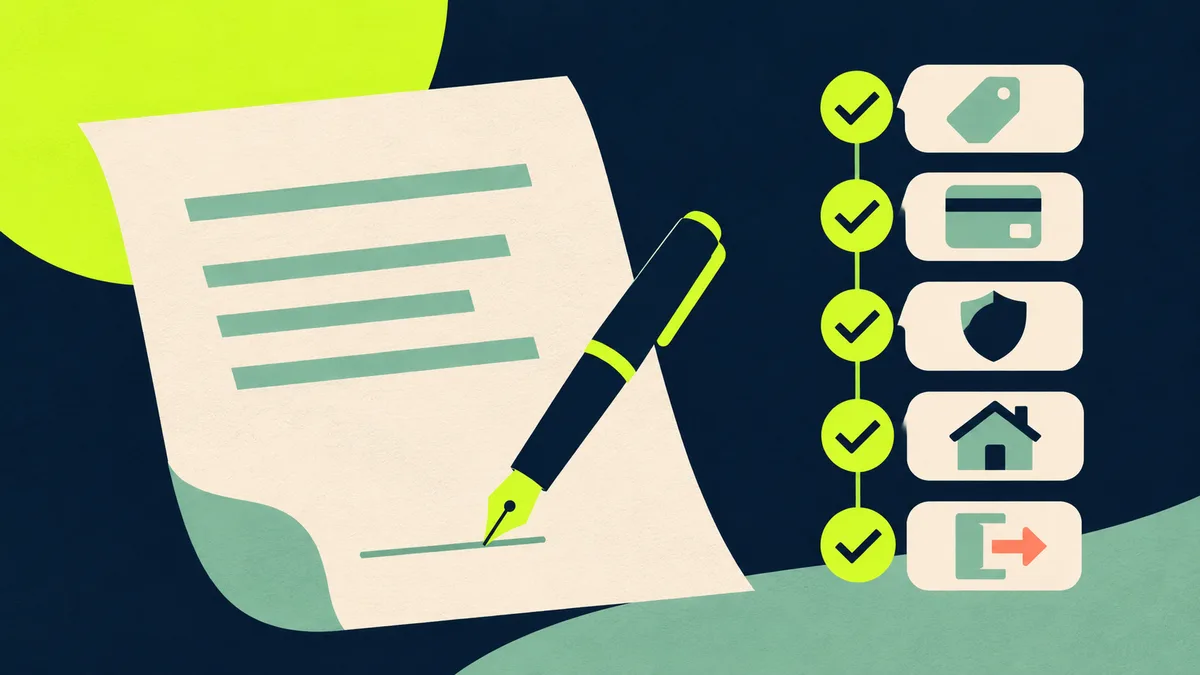
Run one final check of full price, payment, cash remaining, downside risk, written terms and exit cost before accepting a purchase or loan.
Learn how to evaluate final affordability review before making the decision