
Editorial note: THAT.MY is responsible for this article. It passed our topic, source, duplication, structure and link checks before publication. Read the editorial policy.
Short answer: List every installment by date, not by purchase. Several small plans can pull from the same paycheck and create a larger obligation than any checkout screen shows.
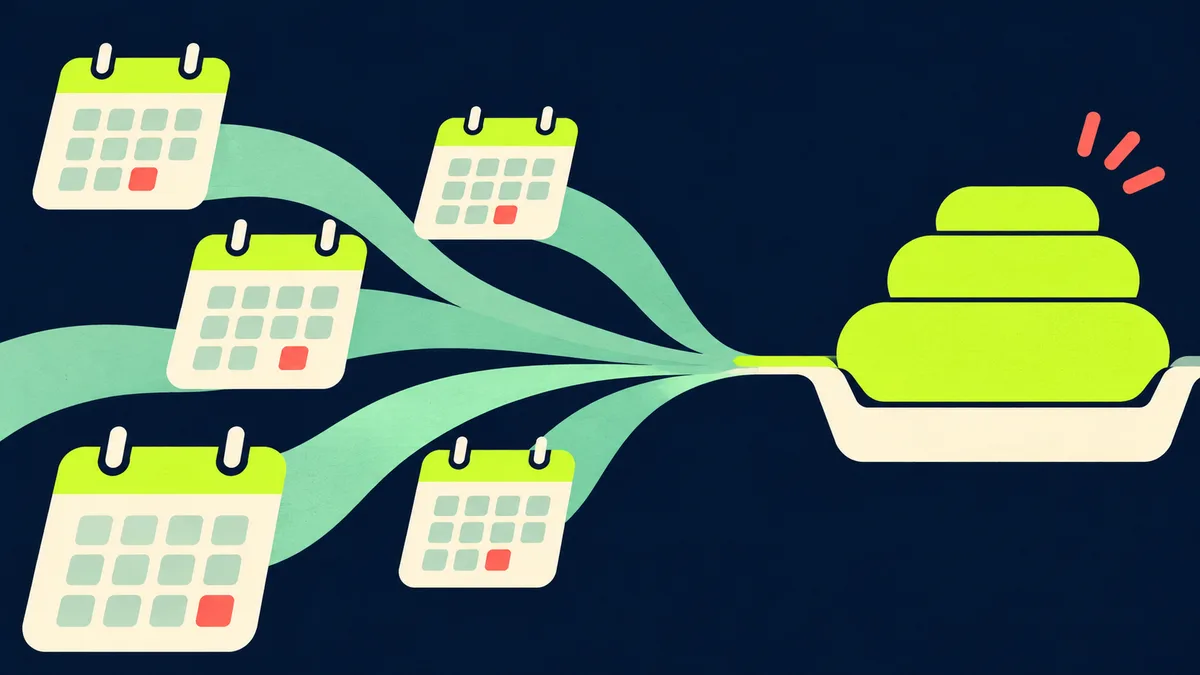
BNPL decisions are often made one transaction at a time. Household cash flow experiences them together. Different providers, biweekly schedules and automatic debits make the overlap hard to see unless all plans share one calendar.
Questions that expose a weak BNPL payment stacking plan
Each check covers a separate risk in considering another BNPL purchase while plans remain active. Keep the answer specific enough that another offer can be compared without rebuilding the method from memory.
- Count plans across every provider.
- Map payments to specific paychecks.
- Leave room for refund delays.
- Pause new plans until the calendar clears.
Interest-free does not mean consequence-free. Late fees, account overdrafts, missed essentials and the loss of future cash flexibility are real costs even when stated interest is zero.
Build the BNPL payment stacking estimate
Keep the BNPL payment stacking comparison on one timeline
Before deciding, create one worksheet for the combined payment calendar with cash available on each debit date. Give active plans, debit dates, account balance and fees and effects their own entries. This is more useful than a single affordability percentage because it shows which assumption changes the result and when the cash is required.
- Active plans: Record provider, remaining balance and installments left.
- Debit dates: Place every automatic payment on one calendar.
- Account balance: Check available cash after essentials on each date.
- Fees and effects: Read late fees, overdraft risk, returns and credit terms.
Keep the source and date beside each figure. A recent record for debit dates is stronger than memory, while fees and effects may need both a normal and difficult case. Revisit the result when a written offer replaces an estimate.
How the inputs interact: Record provider, remaining balance and installments left. Place every automatic payment on one calendar. These two entries establish the base case for BNPL payment stacking. If they use different dates or time periods, correct that mismatch before adding the remaining costs.
Where uncertainty enters: Check available cash after essentials on each date. Read late fees, overdraft risk, returns and credit terms. Test both statements again after adding two payments posting earlier than expected. This shows whether the conclusion depends on a verified term, a household choice or an estimate that still needs evidence.
See BNPL payment stacking in a realistic example
Three plans may each look like 40 at checkout. If all debit in the same week, the obligation is 120 before groceries or transport. A returned item can make the schedule harder when the merchant refund and lender adjustment do not happen together.
The arithmetic makes one point visible: small installments become one large cash-flow event when their dates overlap. Test the same point with the BNPL payment planner using a low, expected and high case. A result that changes after a small adjustment should be treated as close rather than certain.
Stress-test BNPL payment stacking before committing
The related framework in the BNPL affordability guide explains how this decision fits the wider cash plan. Carry forward the verified amounts and the first scenario that failed rather than beginning again with the seller's headline figure.
Now add two payments posting earlier than expected. Reduce dependable income for the same period and raise one essential expense. If BNPL payment stacking then requires new revolving debt or cash below the household floor, change the purchase amount, timing or structure before relying on the base case.
Official guidance behind the BNPL payment stacking checks
We used the CFPB overview of buy now, pay later loans to verify the consumer-finance checks relevant to BNPL payment stacking. It describes common installment patterns and advises checking fees, charges, credit effects and the ability to make every payment on time.
The record should make clear that small installments become one large cash-flow event when their dates overlap. Preserve the assumptions, provider disclosures and downside result. Reopen the decision if the price, timing, income or contract changes materially.