
Editorial note: THAT.MY is responsible for this article. It passed our topic, source, duplication, structure and link checks before publication. Read the editorial policy.
Short answer: Paying early can save interest, but do not use cash already needed for emergencies or near-term bills. Request a payoff quote, check penalties, and compare the certain saving with the liquidity you give up.
The current statement balance may not equal the payoff amount because of accrued interest, fees or timing. After obtaining the quote, rebuild the household balance sheet as if the payment has already left. A debt-free result can still be fragile when no cash remains.
Build the early loan payoff estimate
A useful early loan payoff estimate answers two questions at once: what cash leaves now, and what remains committed later. Use the exact payoff saving with the cost and risk of reducing accessible cash as the boundary. Verify payoff quote and interest avoided first, then add cash protected and alternative debt without averaging away their timing.
- Payoff quote: Use a dated lender figure rather than the visible principal alone.
- Interest avoided: Compare scheduled remaining payments with the quote.
- Cash protected: Exclude emergency funds and money assigned to upcoming bills.
- Alternative debt: Compare rates, tax treatment and flexibility without assuming returns.
Use the entries as a working file for considering a lump-sum payoff or large extra principal payment. Cross-check provider figures with account history and keep optional charges outside the base offer. A result built from disclosed and observed costs is easier to defend than one built from a seller's summary.
How the inputs interact: Use a dated lender figure rather than the visible principal alone. Compare scheduled remaining payments with the quote. These two entries establish the base case for early loan payoff. If they use different dates or time periods, correct that mismatch before adding the remaining costs.
Where uncertainty enters: Exclude emergency funds and money assigned to upcoming bills. Compare rates, tax treatment and flexibility without assuming returns. Test both statements again after adding an emergency immediately after the payoff. This shows whether the conclusion depends on a verified term, a household choice or an estimate that still needs evidence.
See early loan payoff in a realistic example
Keep the early loan payoff comparison on one timeline
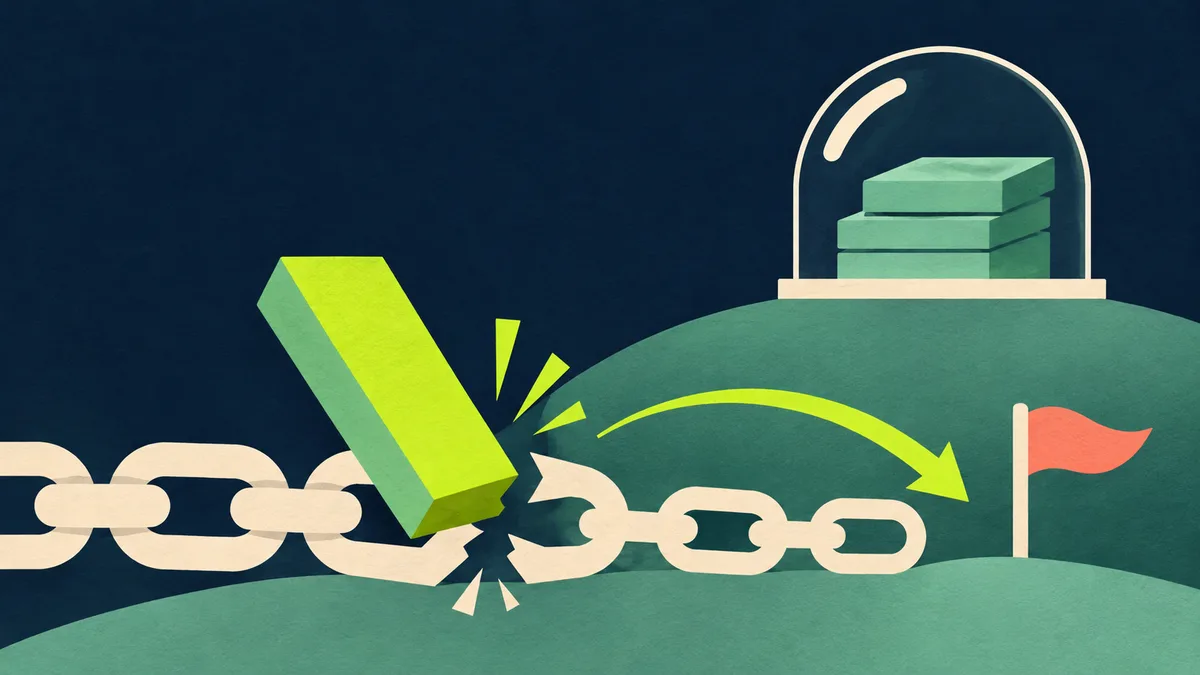
Using 8,000 to clear a loan may save 900 of remaining interest. If it leaves only 500 accessible and a 2,000 repair then occurs, the household may borrow again at a higher rate. Paying 5,000 and keeping a reserve could produce a smaller but more durable saving.
The example shows why maximum debt reduction is not always maximum financial resilience. Re-run it with the loan payoff comparison and use the values from the actual offer. The purpose is to expose the assumption that controls the answer, not to turn the sample amount into a universal spending rule.
Questions that expose a weak early loan payoff plan
Work through the checks in the order shown for considering a lump-sum payoff or large extra principal payment. The sequence moves from known amounts to timing and exit, which prevents the decision from stopping at the first comfortable number.
- Request the payoff amount and valid-through date.
- Confirm prepayment terms.
- Protect near-term bills and emergency cash.
- Recalculate other debt payments after the lump sum.
Do not count a possible investment return as guaranteed or ignore a guaranteed loan saving. Compare risks and access to cash, not just headline percentages.
Stress-test early loan payoff before committing
Now add an emergency immediately after the payoff. Reduce dependable income for the same period and raise one essential expense. If early loan payoff then requires new revolving debt or cash below the household floor, change the purchase amount, timing or structure before relying on the base case.
Read the cash buffer tradeoff guide before treating the result as a final yes. It adds the household constraints that a product-specific estimate cannot know and provides a consistent basis for comparing another option.
Official guidance behind the early loan payoff checks
The factual boundary for this early loan payoff review comes from the CFPB guide to building an emergency fund. It describes emergency savings as a cash reserve for unplanned expenses and explains why income timing matters, especially with irregular income.
The final check is whether maximum debt reduction is not always maximum financial resilience. If that statement is unsupported, collect better evidence or change the option. General education cannot replace advice based on the complete transaction and jurisdiction.