
Editorial note: THAT.MY is responsible for this article. It passed our topic, source, duplication, structure and link checks before publication. Read the editorial policy.
Short answer: Start with cash paid and loan repayment, then add every operating and protection cost during the planned ownership period. Subtract a cautious resale value only at the end.
Two cars with similar prices can produce different household costs because insurance, efficiency, parts, depreciation and repair patterns differ. The useful comparison covers the same number of years and expected distance.
Build the total car ownership cost estimate
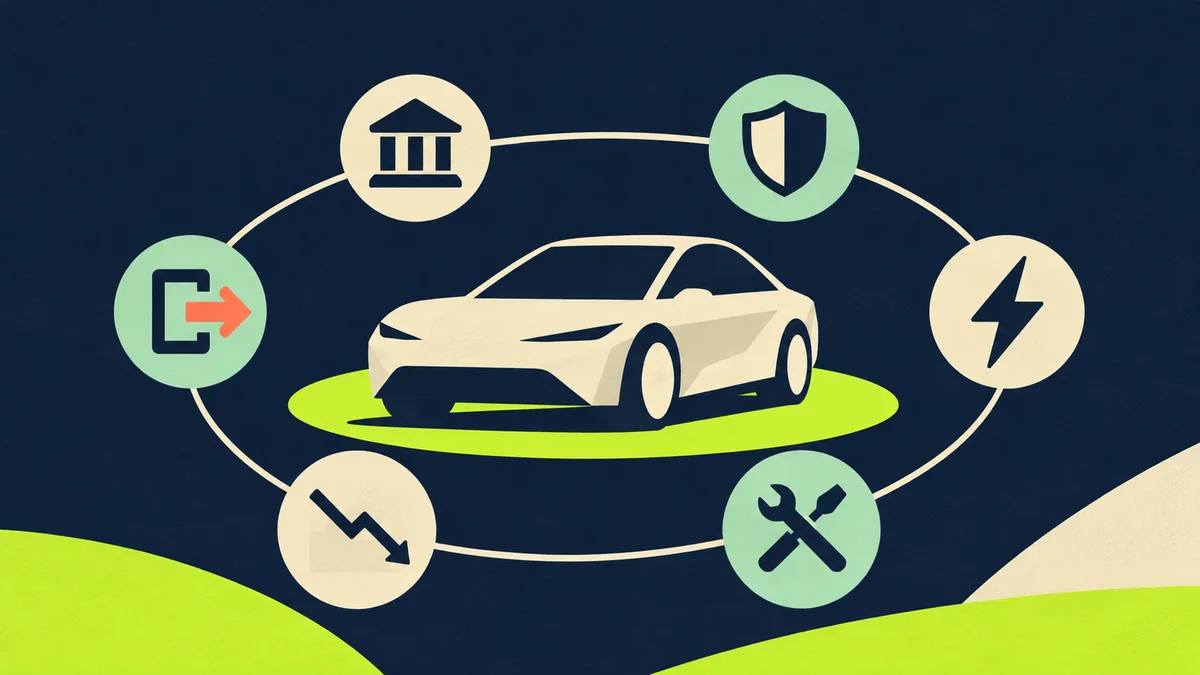
Build this decision from the outside in. First define net ownership cost across the same time and use rather than purchase price alone. Next collect purchase and finance, operation, protection and upkeep and resale value. Only after those figures share one time period should the monthly payment or headline price be used to compare the options.
- Purchase and finance: Include down payment, payments, interest, fees and taxes.
- Operation: Estimate fuel or charging from expected use.
- Protection and upkeep: Add insurance, registration, service, tires and repairs.
- Resale value: Subtract a cautious value after selling costs and loan payoff.
Keep the source and date beside each figure. A recent record for operation is stronger than memory, while resale value may need both a normal and difficult case. Revisit the result when a written offer replaces an estimate.
How the inputs interact: Include down payment, payments, interest, fees and taxes. Estimate fuel or charging from expected use. These two entries establish the base case for total car ownership cost. If they use different dates or time periods, correct that mismatch before adding the remaining costs.
Where uncertainty enters: Add insurance, registration, service, tires and repairs. Subtract a cautious value after selling costs and loan payoff. Test both statements again after adding a major repair and lower resale value in the same year. This shows whether the conclusion depends on a verified term, a household choice or an estimate that still needs evidence.
Questions that expose a weak total car ownership cost plan
Keep the total car ownership cost comparison on one timeline
Each check covers a separate risk in comparing two vehicles or deciding whether to keep one. Keep the answer specific enough that another offer can be compared without rebuilding the method from memory.
- Verify purchase and finance from a written quote or recent record.
- Put operation on the same timeline as the main payment.
- Test the high end of protection and upkeep instead of leaving it blank.
- Write the exit plan for resale value before committing.
Do not subtract an optimistic resale estimate today as if it were guaranteed cash. Test a lower value and include any balance still owed at sale.
See total car ownership cost in a realistic example
Car A costs 2,000 less to buy but 55 more each month to insure and 35 more for fuel. Over five years those two differences total 5,400 before maintenance. A lower sticker price can therefore produce a higher ownership cost.
The numbers matter less than the relationship they reveal: recurring differences can outweigh the purchase-price gap. Put the actual case through the true cost of ownership calculator and keep uncertain costs visible instead of forcing one precise answer.
Stress-test total car ownership cost before committing
The related framework in the ownership cost guide explains how this decision fits the wider cash plan. Carry forward the verified amounts and the first scenario that failed rather than beginning again with the seller's headline figure.
Now add a major repair and lower resale value in the same year. Reduce dependable income for the same period and raise one essential expense. If total car ownership cost then requires new revolving debt or cash below the household floor, change the purchase amount, timing or structure before relying on the base case.
Official guidance behind the total car ownership cost checks
For an independent source during comparing two vehicles or deciding whether to keep one, review the CFPB guide to comparing auto loan offers. It directs borrowers to compare the amount financed, APR, interest rate, term and payment instead of relying on the monthly payment alone.
The decision is ready only when recurring differences can outweigh the purchase-price gap. Verify the terms that control that result with the provider. This educational page cannot know the reader's income stability, local rules, tax position or complete contract.